Symptoms & diagnostics
Put noises, fault codes and changing behaviour into context.
 Symptoms & diagnostics
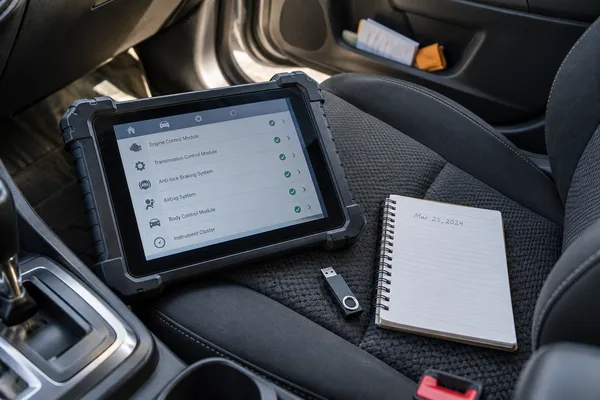
A fault code is not a parts order
A scanner gives the investigation a starting point. The missing step is finding out why the monitored system produced that result.
 Symptoms & diagnostics
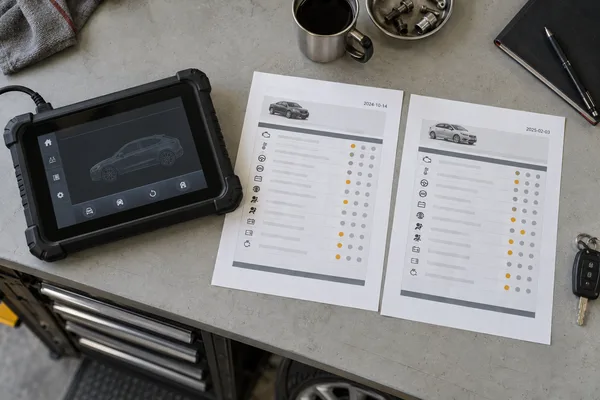
Save a scan before clearing codes
The useful part of a scan is the evidence it preserves, not the moment the warning disappears.
 Symptoms & diagnostics
Pending and confirmed codes tell different stories
The status beside a fault code helps explain how the system recorded it. It does not provide a universal severity scale.
 Symptoms & diagnostics
What a freeze-frame snapshot can tell you
Some fault records preserve a small snapshot of operating conditions. Read it as a clue with boundaries.
 Symptoms & diagnostics
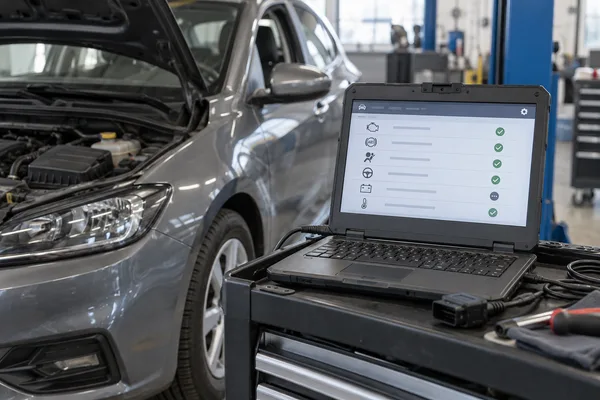
Why readiness may disappear after a reset
An incomplete monitor says a check has not finished. It is different from a recorded failure.
 Symptoms & diagnostics
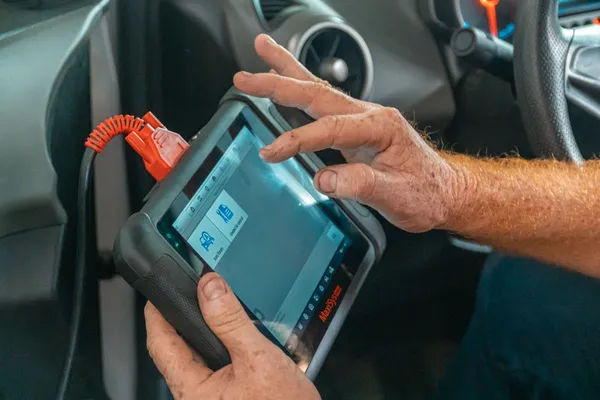
Why one scanner sees more than another
A connector that fits does not guarantee access to every control unit or every useful function.
 Symptoms & diagnostics
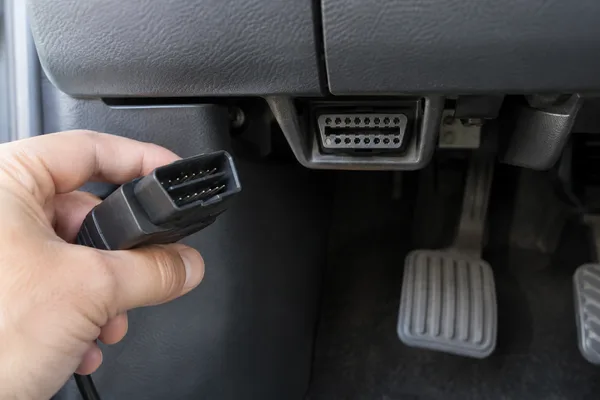
When a scanner will not connect
A connection failure belongs to the diagnostic setup first. It is not proof that the car needs a new control unit.
 Symptoms & diagnostics
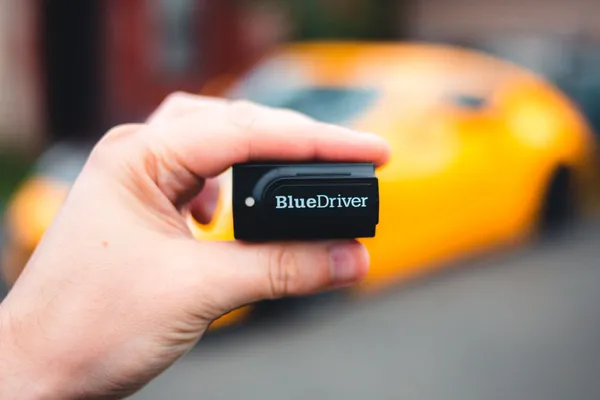
Check the units before reading live data
A plausible-looking number can still be misread when its units or definition are missing.
 Symptoms & diagnostics
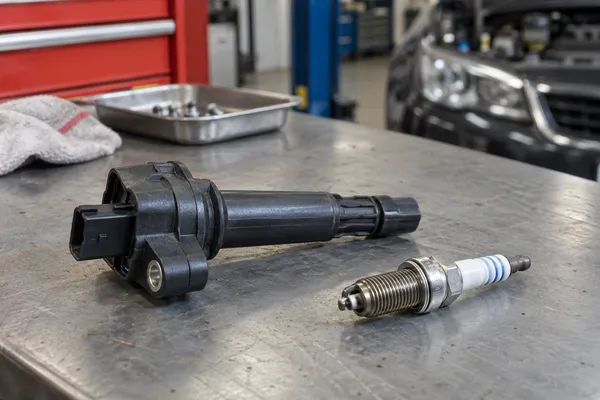
P0300: record the misfire, not a shopping list
This code describes detected misfire activity. It does not tell an owner which part to buy.
 Symptoms & diagnostics
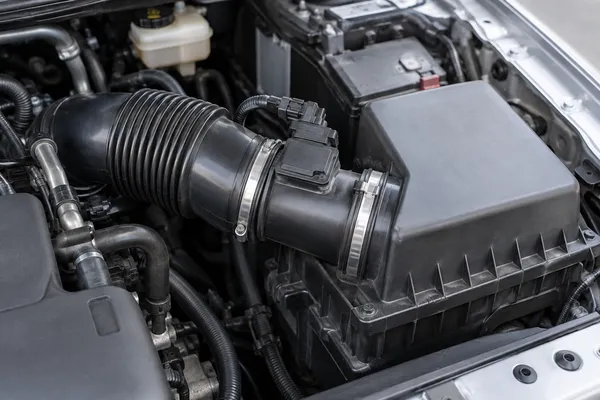
P0171: why lean does not identify a single part
A mixture-related code reports a control-system result. The cause still has to be established.
 Symptoms & diagnostics
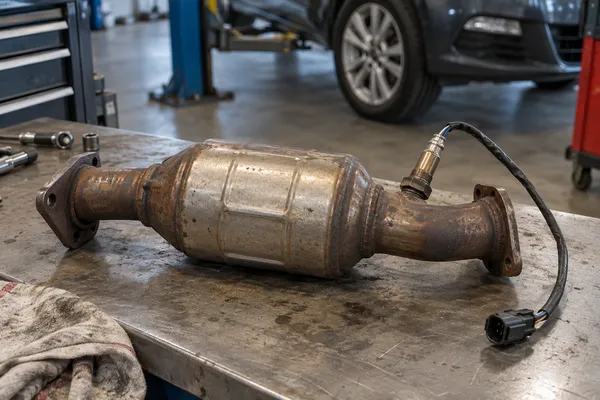
P0420: questions before replacing a catalyst
An efficiency code deserves a diagnosis of the conditions around it, not an immediate parts order.
 Symptoms & diagnostics
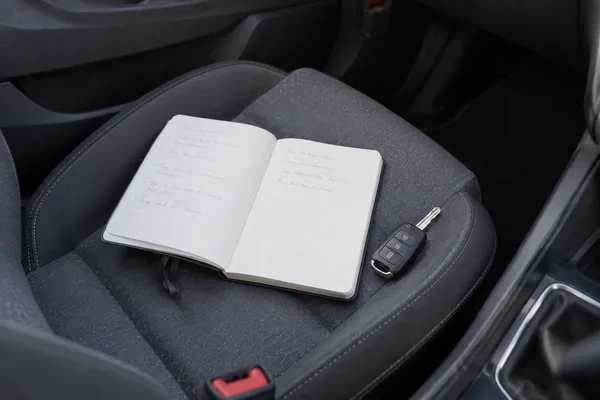
Keep a useful diary of an intermittent fault
A few consistent observations can help more than a long list of possible causes.