The workshop & buying used
Better questions, clearer estimates and a more informed inspection.
 The workshop & buying used
Agree what the diagnostic appointment will cover
Before leaving the keys, make sure you and the workshop mean the same thing by a diagnostic check.
 The workshop & buying used
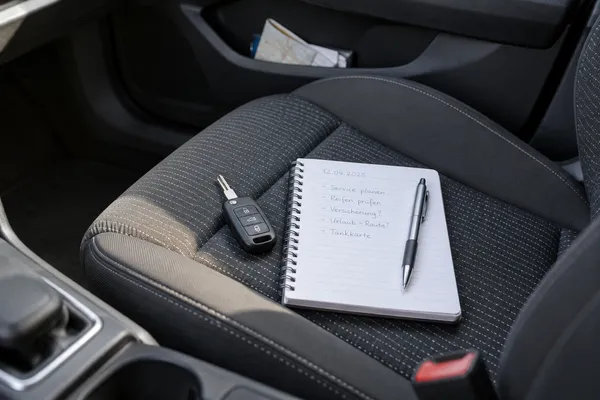
Write a symptom note a workshop can use
A short, factual handover helps the technician investigate the complaint you actually have.
 The workshop & buying used
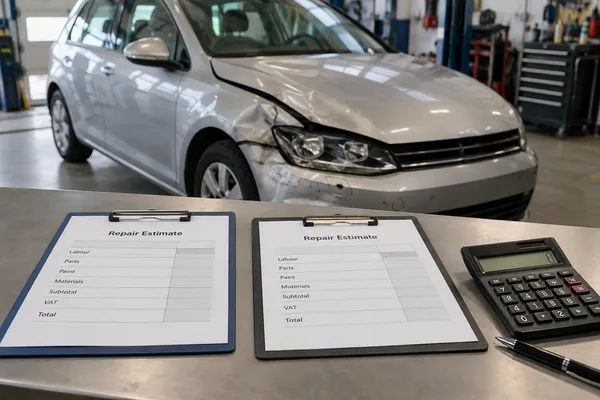
Compare what repair estimates actually include
Two totals are only comparable when they describe the same work and the same assumptions.
 The workshop & buying used
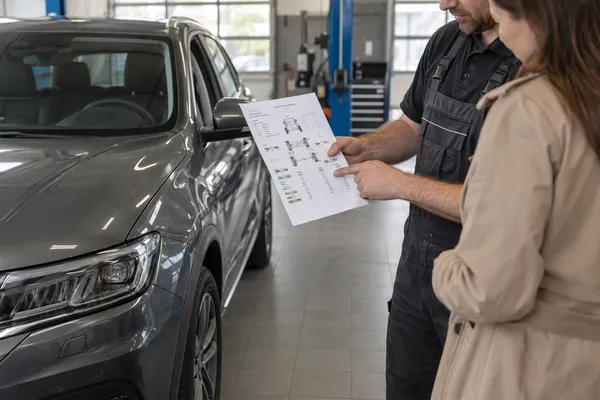
Ask what test supports a proposed repair
You do not need to perform the test yourself to understand why a repair is being recommended.
 The workshop & buying used
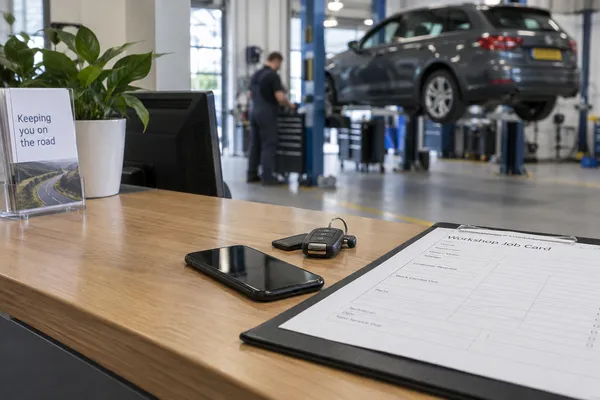
Make additional-work approval clear
A practical contact arrangement prevents an ordinary repair update from becoming a misunderstanding.
 The workshop & buying used
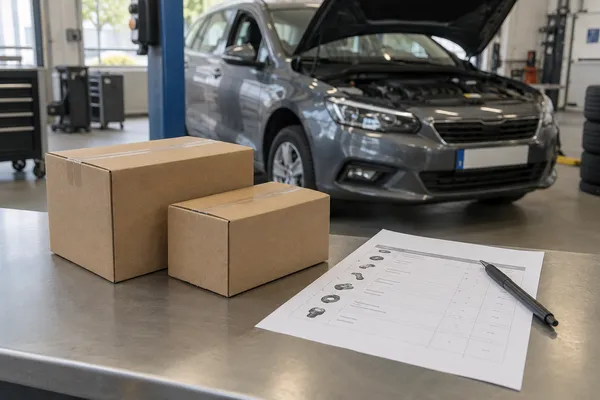
Understand the parts description on an estimate
A clear specification is more useful than a reassuring adjective.
 The workshop & buying used
Diagnosis time and repair time are different
Finding an intermittent fault can take longer than replacing the component eventually identified.
 The workshop & buying used
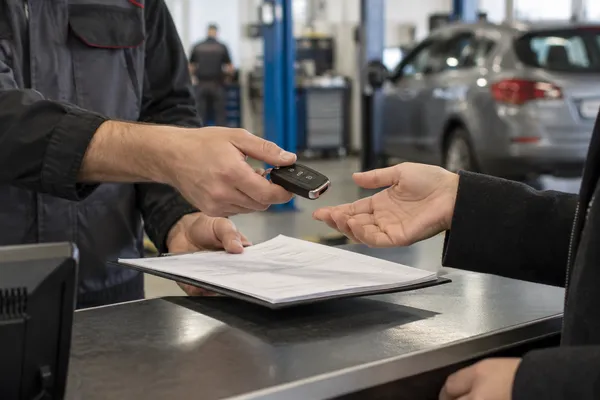
Questions to ask when collecting a repaired car
Use the handover to understand the result while the work is still fresh in everyone’s mind.
 The workshop & buying used
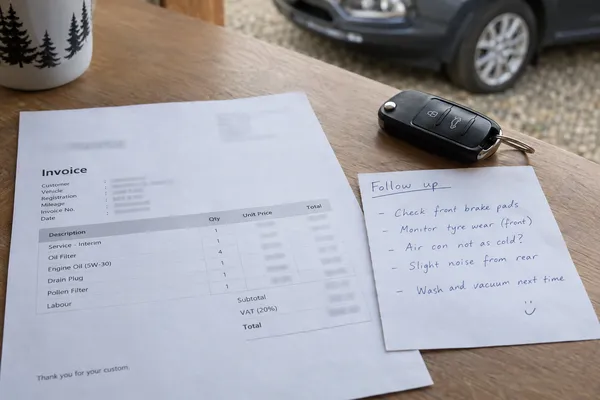
When the same symptom returns after a repair
A clear comparison helps the workshop distinguish recurrence from a new problem that feels similar.
 The workshop & buying used
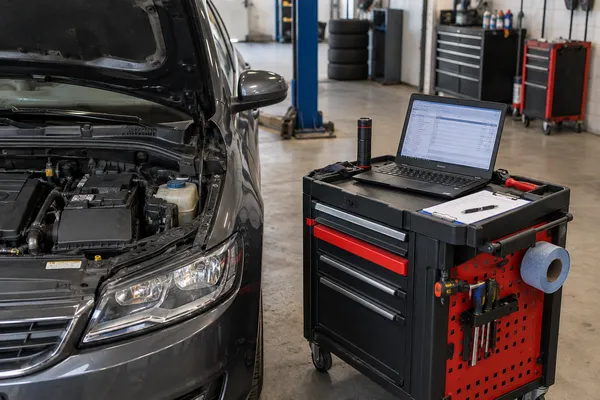
Make sense of a no-fault-found result
It describes the outcome of a particular investigation, not necessarily the whole history of the car.
 The workshop & buying used
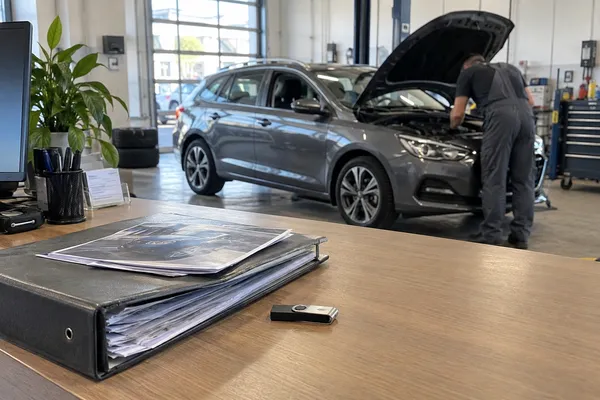
Take useful records to a second opinion
A fresh assessment works best when the next workshop knows what has already happened.
 The workshop & buying used
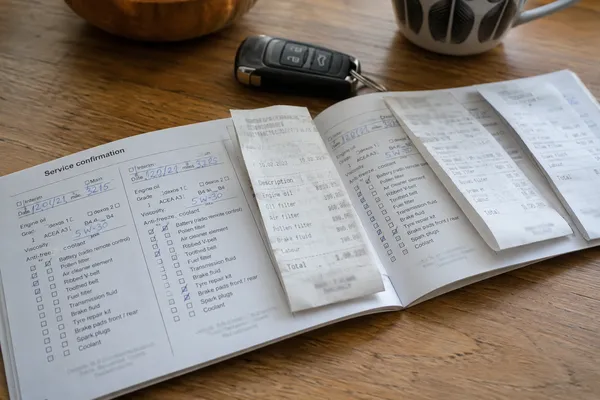
Read a service history beyond its stamps
A tidy booklet is useful, but dates, mileage and the work described tell the fuller story.