Warning lights
Understand the signal before deciding what comes next.
 Warning lights
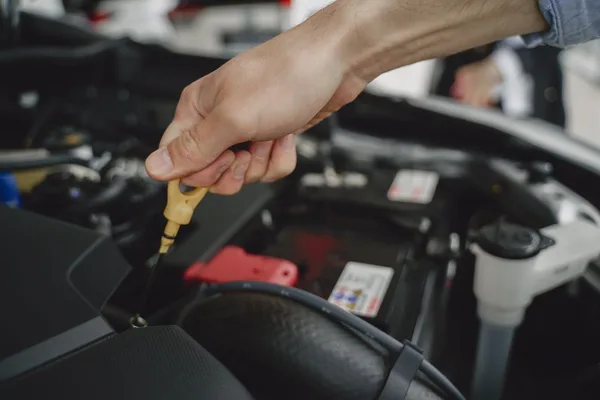
Oil pressure light: stop first, check second
An oil-can symbol with the engine running calls for a safe stop. A normal dipstick reading does not rule out a pressure problem.
 Warning lights
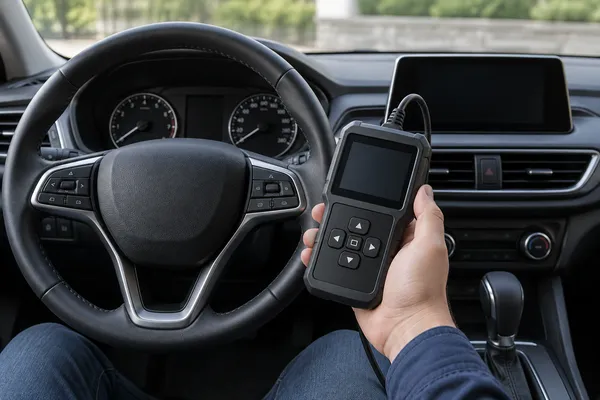
A steady engine light when the car feels normal
A car can feel completely normal while its engine-management system stores a fault. Begin with the warning’s behaviour and the handbook, not a shopping list of parts.
 Warning lights
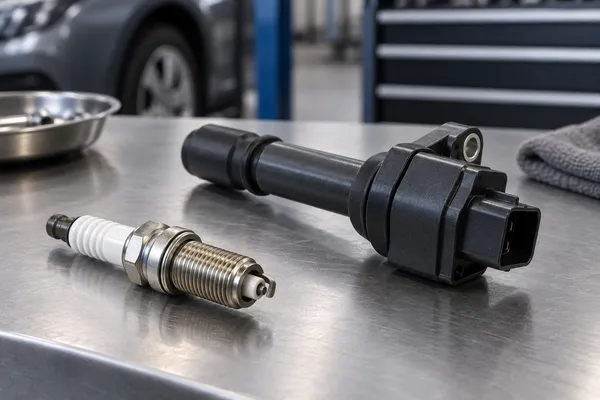
A flashing engine light deserves a different response
Flashing changes the meaning of an engine warning. Reduce demand, find a safe place to stop and avoid trying to drive the fault away.
 Warning lights
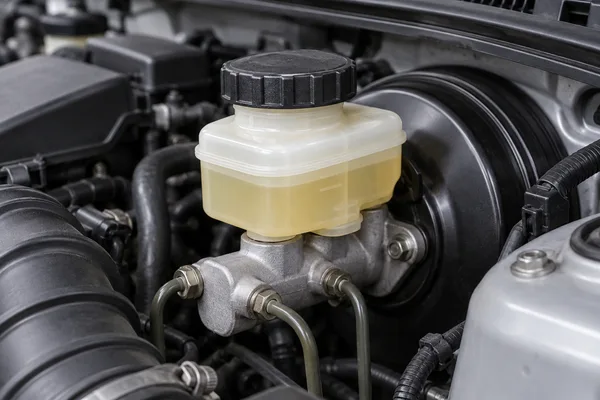
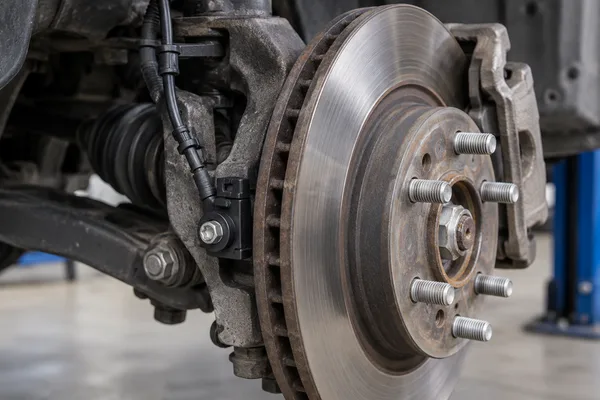
When the red brake warning stays on
First distinguish a parking-brake reminder from a brake-system warning. A red lamp that remains on after release needs a cautious response.
 Warning lights
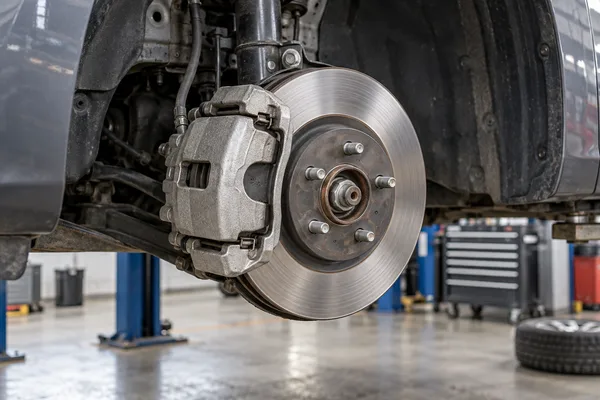
What an ABS warning changes about braking
An ABS warning changes the available assistance, even when the pedal still feels familiar.
 Warning lights
ABS and brake warnings appearing together
Two brake-related warnings together deserve more caution than an ABS lamp on its own.
 Warning lights
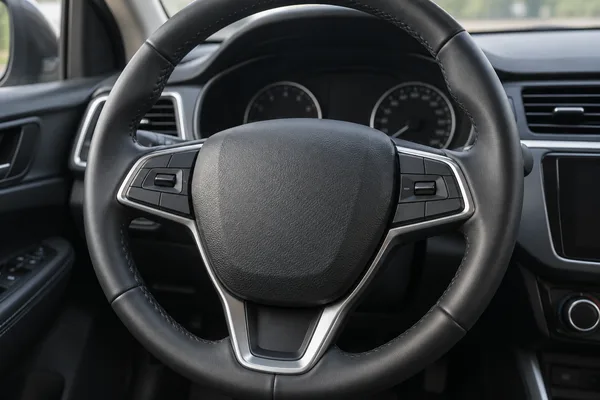
An airbag warning is not a DIY wiring job
An airbag warning concerns the restraint system. Looking under a seat is not a substitute for a proper diagnosis.
 Warning lights
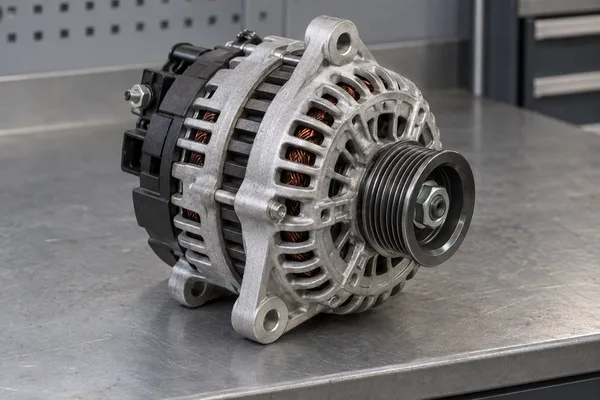
The battery symbol appears while driving
A battery-shaped lamp while driving usually concerns the charging system, not simply how old the battery is.
 Warning lights
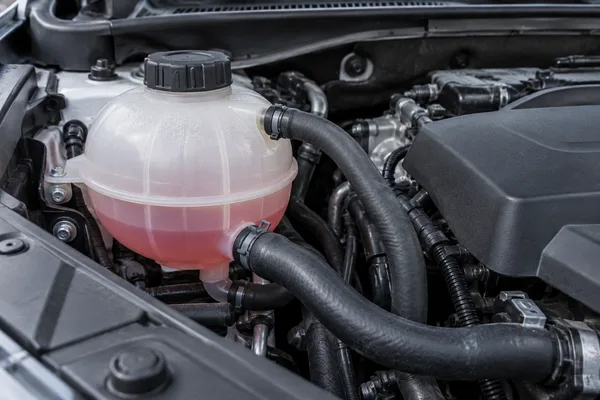
A temperature warning on an ordinary journey
An overheating alert is a reason to end the journey safely, not a request to open the coolant cap.
 Warning lights
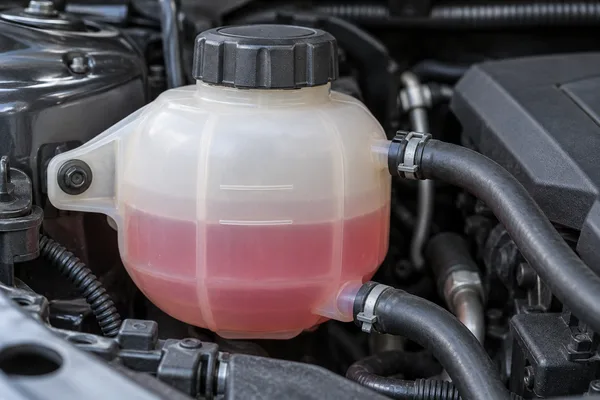
Low coolant messages need a cold-engine check
A low-level message and an overheating warning ask different questions. Check the level only under the conditions in the handbook.
 Warning lights
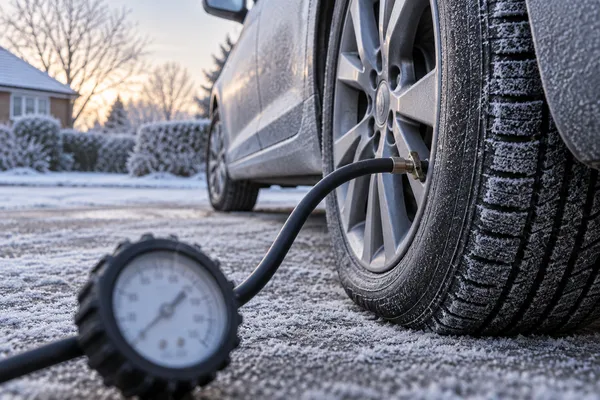
A tyre pressure warning after a cold night
Cold weather can reveal a marginal tyre pressure. The answer is a measured cold check, not simply dismissing the lamp as seasonal.
 Warning lights
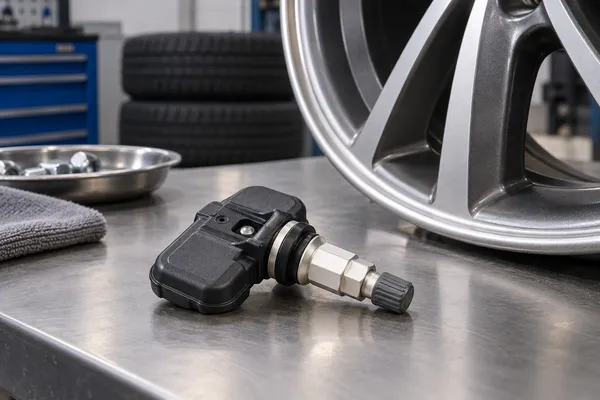
A flashing tyre pressure light is a separate clue
A pressure-monitoring malfunction and a low tyre can occur together. A flashing lamp is not permission to skip a gauge check.