Warning lights
Understand the signal before deciding what comes next.
 Warning lights
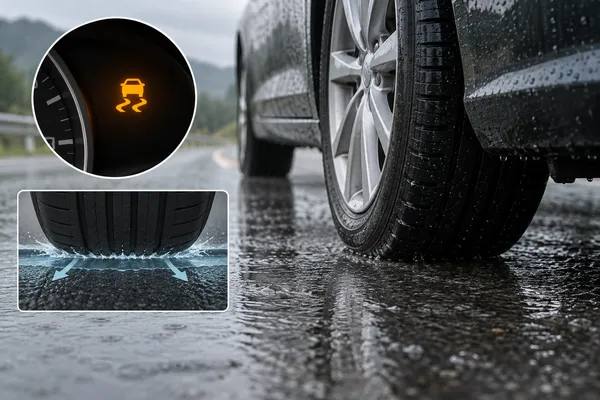
Why the stability light flashes on a slippery road
A brief stability-control flash can mean the system is intervening. Treat it as feedback about available grip.
 Warning lights
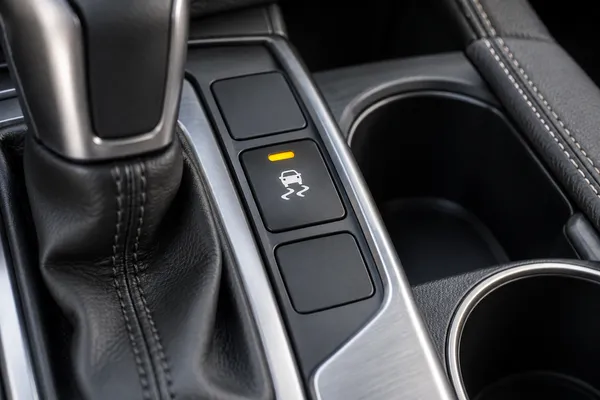
When the stability-control light stays on
A permanent stability warning needs interpretation: the system may be switched off, in another mode or reporting a fault.
 Warning lights
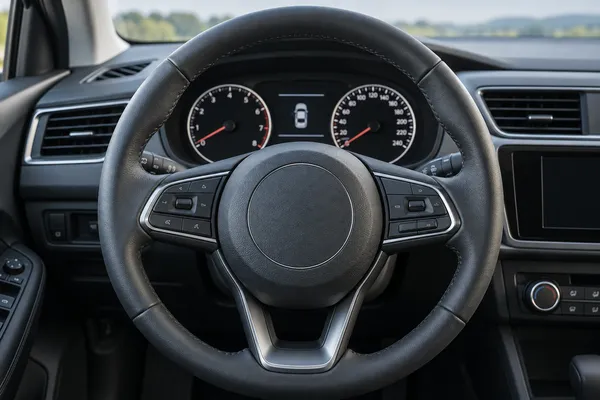
A steering warning and a heavier steering wheel
A steering warning becomes more urgent when the wheel feels heavier or assistance changes unexpectedly.
 Warning lights
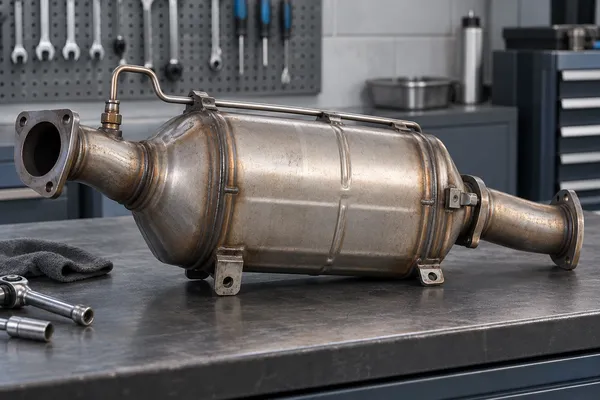
A diesel filter warning without guesswork
A diesel particulate-filter message is not a universal instruction to drive fast. The exact wording determines the next step.
 Warning lights
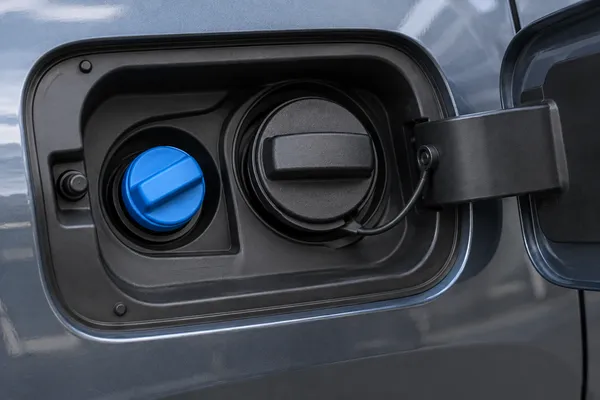
An AdBlue countdown is worth reading carefully
Read whether the display requests fluid or reports a system fault. A no-restart countdown should not be left to the last journey.
 Warning lights
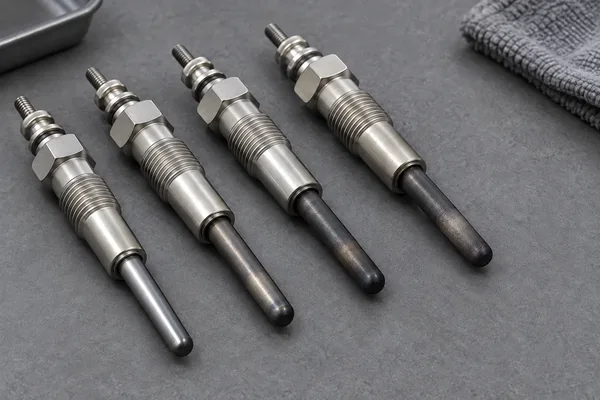
Glow-plug symbols before and after starting
The diesel coil symbol can mean normal preheating before startup and something quite different while driving.
 Warning lights
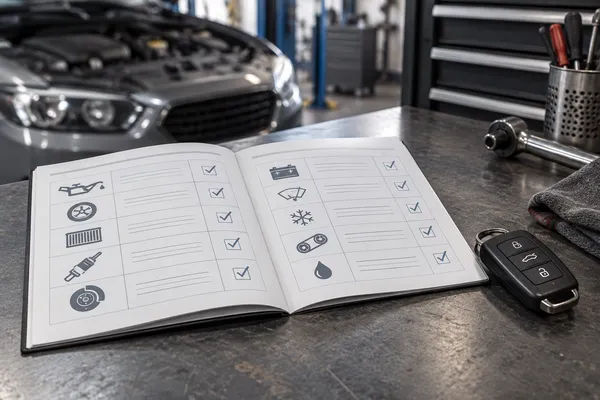
A service spanner is not always an engine fault
A spanner can indicate scheduled maintenance or a fault, depending on the car and accompanying message.
 Warning lights
Low oil level and low oil pressure are different warnings
An oil-level message concerns quantity. A pressure warning concerns circulation, and its urgency is different.
 Warning lights
What a brake-pad warning does and does not tell you
A wear indicator gives a reason to arrange a brake inspection. It does not measure every part of the braking system.
 Warning lights
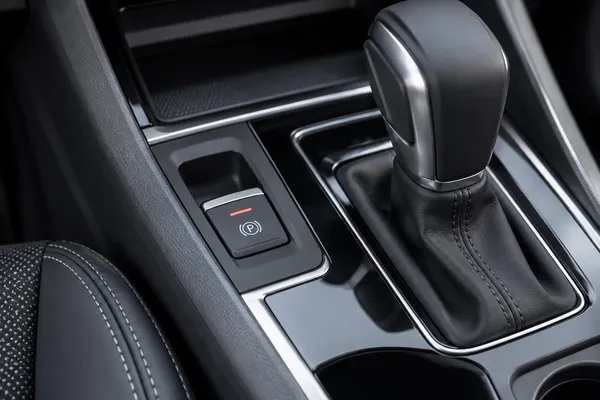
An electronic parking brake warning at a standstill
An electronic parking brake fault can leave the car unable to release or unable to hold. Establish which situation you have before moving it.
 Warning lights
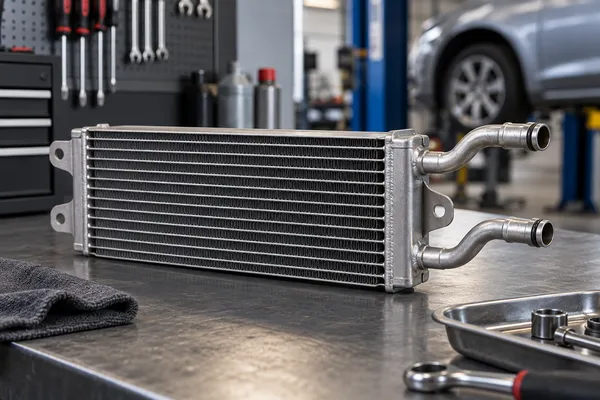
When the gearbox asks for a cooling pause
A gearbox-temperature message needs its own cooling instructions. Engine-coolant advice is not automatically the right procedure.
 Warning lights
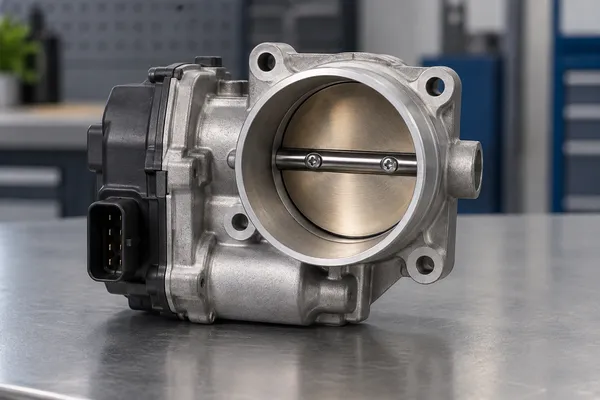
Reduced power: record the message before guessing
Reduced power describes what the car is doing, not which component has failed.