The workshop & buying used
Better questions, clearer estimates and a more informed inspection.
 The workshop & buying used
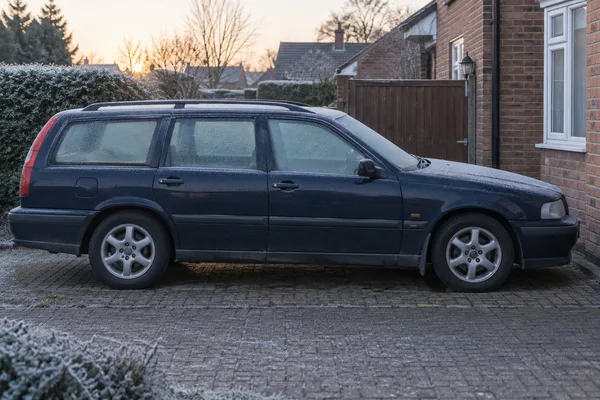
Ask to see a used car before its first start
A genuinely cold viewing can reveal behaviour that a warm arrival hides, without becoming an improvised mechanical test.
 The workshop & buying used
Give a used car a daylight walkaround
Good light and a calm sequence make small details easier to notice without turning every mark into a diagnosis.
 The workshop & buying used
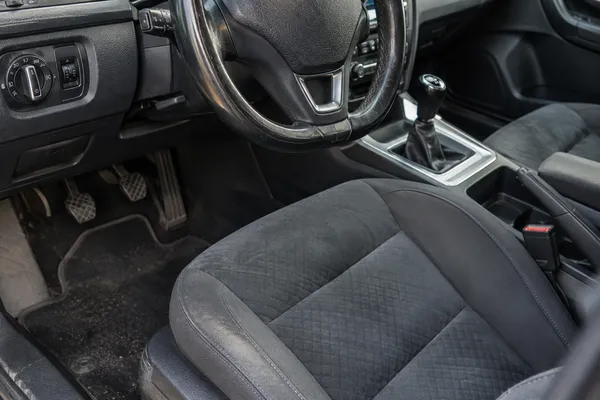
What interior wear can and cannot tell you
Seats, pedals and controls offer clues about use, but they are not a reliable mileage calculator.
 The workshop & buying used
Match the car to its documents
Before interpreting the history, establish that the records describe the vehicle you are viewing.
 The workshop & buying used
Plan a useful, ordinary test drive
A test drive should answer everyday ownership questions without becoming a performance demonstration.
 The workshop & buying used
Try every climate setting before buying
A comfortable viewing temperature can hide a system you have not really tested.
 The workshop & buying used
Check the small features that become daily annoyances
A systematic parked check can reveal missing functions before they become your routine problem.
 The workshop & buying used
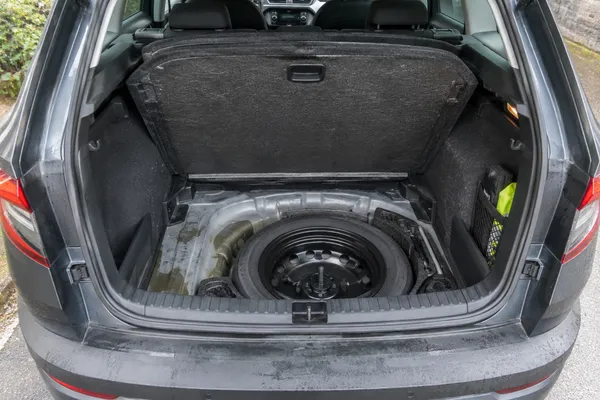
Look for water ingress before buying
Freshly cleaned surfaces can look dry while less visible materials still hold moisture.
 The workshop & buying used
Paint and panel clues need interpretation
A visible difference is a question to investigate, not a complete accident history.
 The workshop & buying used
What an independent inspection can add
The value lies in a defined assessment by someone examining the car on your behalf, with clear limits.
 The workshop & buying used
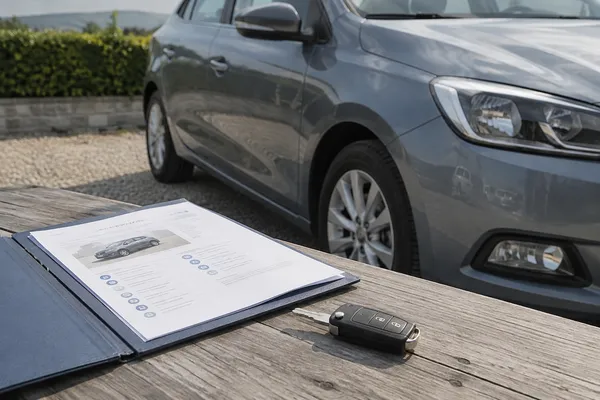
A clean history report is not a mechanical inspection
A database result answers questions about recorded information. It cannot examine the car in front of you.
 The workshop & buying used
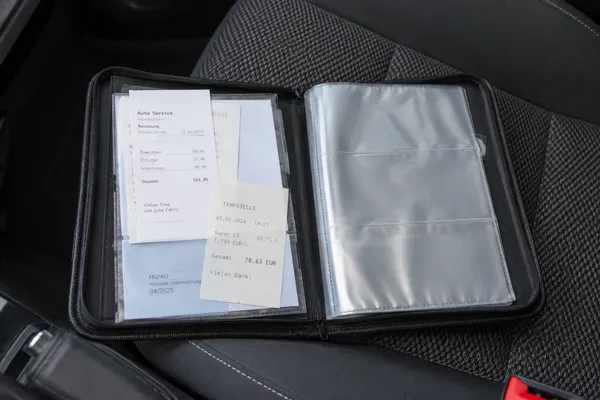
When important maintenance has no receipt
An undocumented claim may be true, but it should remain distinct from verified work in your decision.